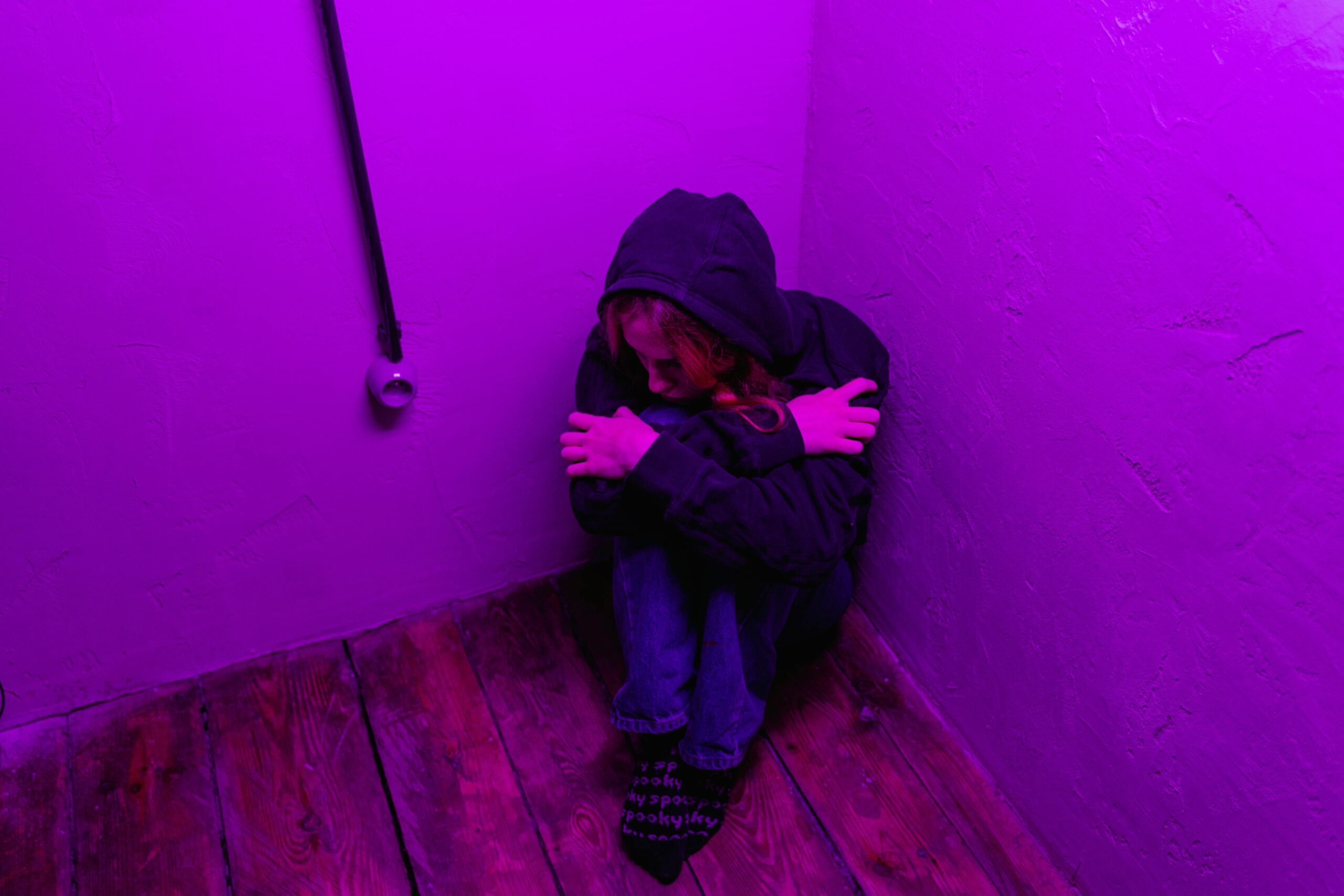
1. You Feel Anxious Around Raised Voices
One of the most common signs is feeling immediately on edge whenever someone raises their voice.
Even if the yelling is not directed at you, your body may react as though you are in danger. Your heart may race, your muscles tense up, or you may suddenly feel the urge to leave the situation.
This happens because your nervous system learned to associate raised voices with conflict and emotional danger.
According to the American Psychological Association, repeated exposure to chronic stress during childhood can influence how the brain and body respond to stress later in life.
2. Silence Feels Uncomfortable
This may seem surprising, but if your childhood was filled with constant chaos, peace can actually feel unfamiliar.
When your brain becomes accustomed to yelling, tension, or unpredictability, quiet moments may feel unsettling rather than calming.
Some people even find themselves seeking distractions simply because silence feels strange.
3. You Avoid Conflict at All Costs
If home never felt emotionally safe, you may have learned that keeping everyone else happy was the best way to protect yourself.
As you get older, this can look like:
– apologizing when you have done nothing wrong
– hiding your opinions
– avoiding difficult conversations
– becoming a people pleaser
4. You Overthink Everything You Say
Growing up with frequent criticism or yelling can make you question almost every interaction.
You may replay conversations repeatedly, worry that you upset someone, or constantly wonder how others perceived you.
Overthinking often develops because your brain learned that saying the wrong thing could have emotional consequences.
5. Your Nervous System Is Always Waiting for Something to Go Wrong
When yelling was a normal part of childhood, your brain learned to stay alert for the next conflict.
Even in healthy friendships, relationships, or workplaces, you may find yourself expecting arguments, criticism, or rejection that never happen.
This constant state of alertness is known as hypervigilance, a common trauma response in people who have experienced ongoing stress or emotional adversity.
The Cleveland Clinic explains that hypervigilance is a protective response in which the brain remains highly alert to potential threats, even when a person is safe.
Healing Is Possible
Recognizing these patterns is not about blaming yourself or your family.
It is about understanding why your mind and body respond the way they do.
The coping strategies that once helped you survive may no longer be serving you today.
The encouraging news is that learned patterns can also be unlearned.
With time, supportive relationships, and healthy coping strategies, your nervous system can begin to experience safety again.