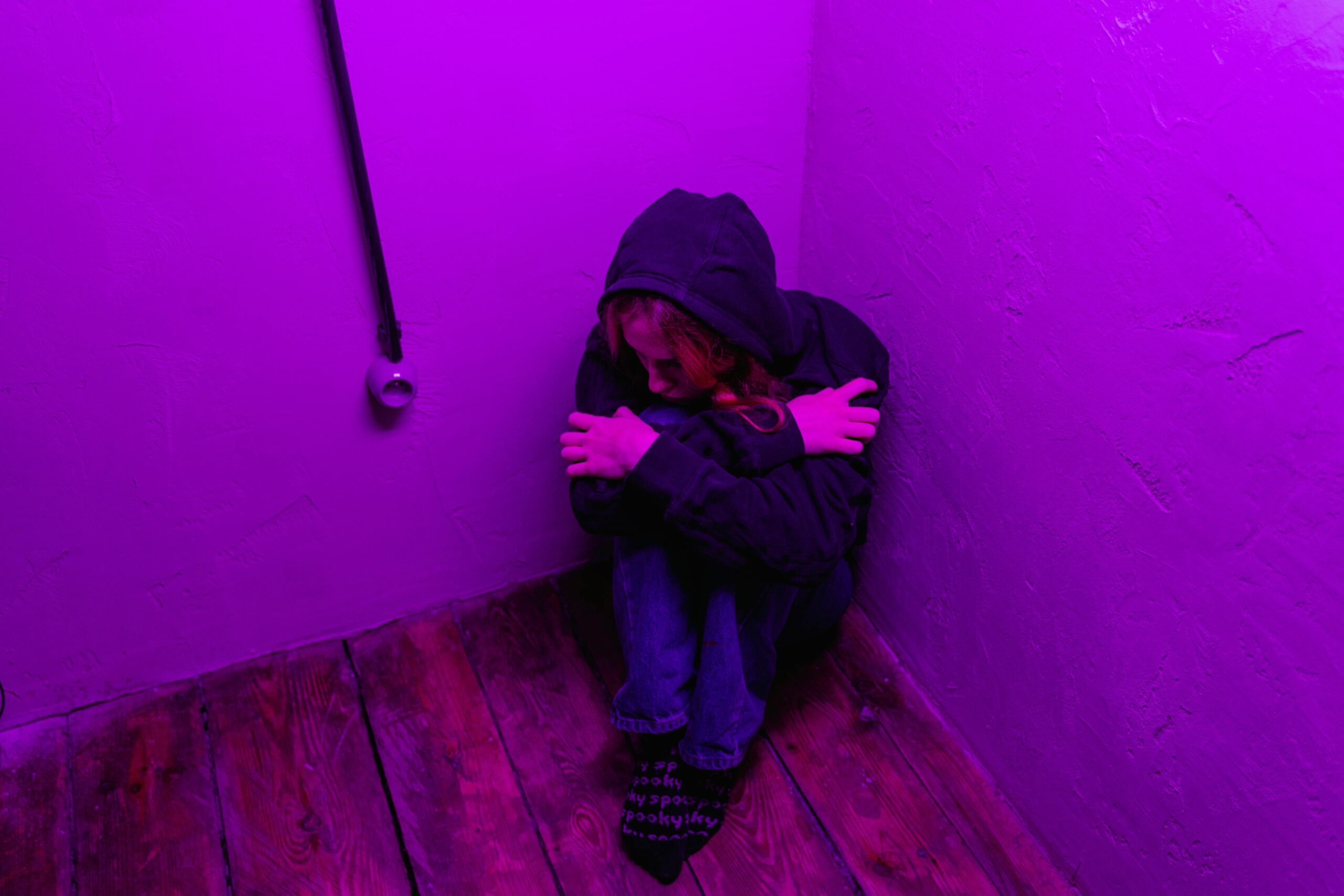
Always having to escape…
You might tell yourself you want to go home, even though you are already there. These experiences can be confusing and emotionally exhausting.
Growing up around constant yelling can affect the nervous system. When conflict happens regularly, your body can learn to stay alert as a way to protect you. This is not your fault. Emotional safety is something parents are responsible for creating, and when that safety is missing, youth often adapt by becoming hyperaware of their environment. According to Psychology Today, the effects of parental yelling, repeated exposure to yelling can increase anxiety, emotional sensitivity, and stress responses in children and teens.
Types of verbal chaos at home
Constant yelling can take many forms. It may include yelling directed at you, listening to family members argue loudly, passive-aggressive comments, or aggressive discipline through shouting. Even when the yelling is not directed toward you, hearing conflict regularly can still feel overwhelming. Healthline explain that constant yelling in a home can make a child feel unsafe and emotionally unsettled, even if physical harm is not present.
How growing up in a yelling household can affect you now
The effects of verbal chaos at home can continue into the older teen and young adult years. You might feel on edge when you hear yelling anywhere, even in public places or at school. Some teens cope by dissociating or mentally checking out to feel safer. Others may become attached to unhealthy relationships, use social media as an escape, or even struggle to fall asleep at night.
These responses are often survival behaviours rather than personal weaknesses. The NIH notes that emotional stress from growing up in yelling environments can lead to anxiety, difficulty regulating emotions, and problems feeling safe in relationships.
Ways to support yourself
If your home environment feels overwhelming, there are small ways to protect your emotional well-being. Creating a small safe space in your room can help your nervous system relax. Listening to music or calming sounds can help regulate stress. Watching a comfort show, journaling your feelings, or spending time in calmer environments like school libraries or community spaces can also help.
These steps do not fix the environment around you, but they can help your body feel safer.
You are not alone
Growing up around constant yelling can make you feel anxious, confused, or disconnected, but these feelings make sense given what you experienced. This kind of environment is not emotionally healthy, and it is okay to need support.
Talking to a trusted friend, teacher, coach, or school counsellor can help you feel less alone. Professional support is also available if you need it.
Things can get better, even if your home environment feels difficult right now.