
6 Habits That Are Slowly Harming Your Mental Health
6 Habits That Are Slowly Harming Your Mental Health
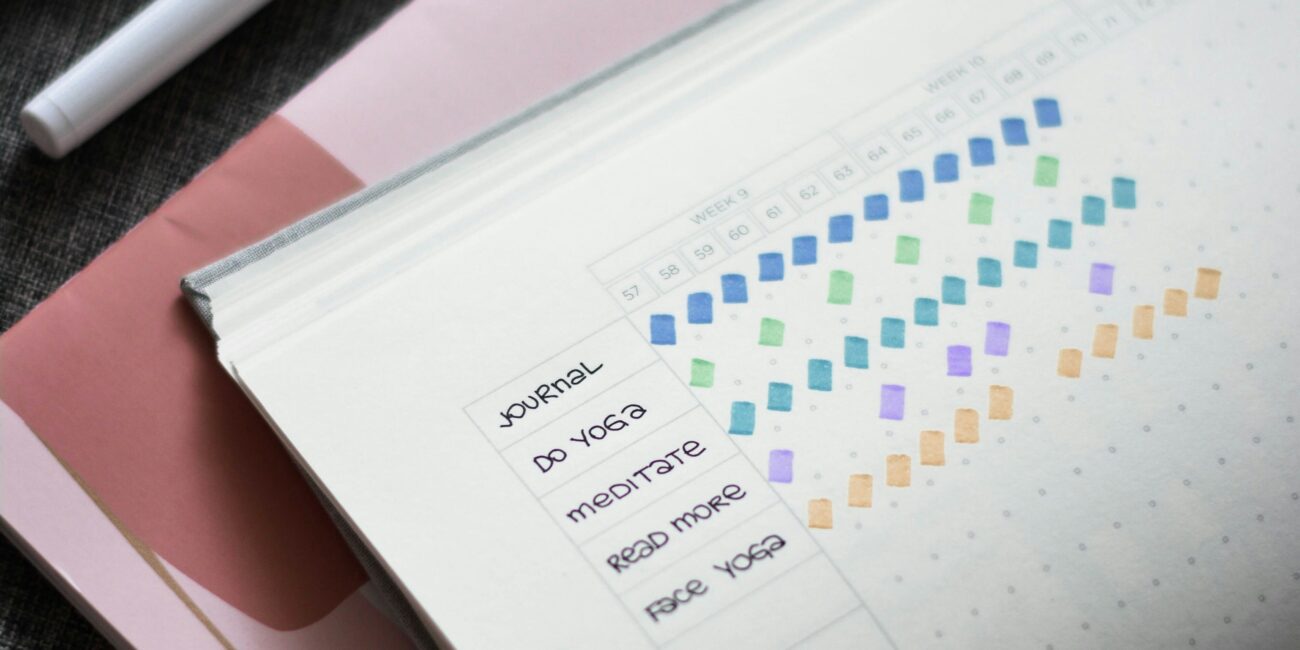
Sometimes it is not one big traumatic event that impacts your mental health. It is the small, daily habits that slowly increase anxiety, burnout, and emotional exhaustion. If you have been feeling more overwhelmed, reactive, or mentally drained lately, one of these habits might be contributing.
1. Going to Bed Too Late
Sleep is one of the most powerful tools for regulating anxiety and stress. When you are sleep deprived, your nervous system becomes more reactive. Small problems feel bigger. Your thoughts spiral faster. Your patience becomes thinner. If you are dealing with anxiety, trauma, or burnout, consistent sleep is not optional. It is essential. You deserve to give your mind the recovery time it needs.
2. Scrolling First Thing in the Morning
You wake up and reach for your phone. You check the time. Then notifications. Then social media. Fifteen minutes pass, and you haven’t even gotten out of bed yet.
Starting your day with social media increases stress, overstimulation, and anxiety before your mind has even grounded itself. Protecting the first 30 minutes of your morning can change your entire day. Try stretching, journaling, getting sunlight, or simply sitting without stimulation. Creating this boundary builds emotional stability before you have to start getting ready for school or work.
3. Saying Yes When You Want to Say No
When you agree to plans while feeling drained, you teach your brain that your needs come last. Over time, this creates resentment, exhaustion, and emotional burnout. It is also important to notice who makes you feel anxious or triggered. Continuously placing yourself in environments that feel unsafe or overwhelming will slowly lower your mood.
Choosing emotionally safe environments and surrounding yourself with positive people is not an act of selfishness; it’s a form of self-respect.
4. Scrolling Just to Compare Yourself
Social comparison is one of the fastest ways to damage your self-esteem. If you constantly consume content that makes you feel behind, inadequate, or not enough, your brain starts believing those narratives.
Pay attention to how you feel after scrolling. Do you feel motivated or discouraged?
Follow accounts that inspire growth, confidence, and realism and unfollow content that fuels your insecurities. Your digital environment greatly impacts your mental health.
5. Leaving Assignments to the Last Minute
Procrastination feels easier in the moment. It gives temporary relief. But it increases long-term stress. When assignments pile up, your brain stays in a constant state of panic. This increases anxiety, overstimulation, and negative self-talk. Scheduling tasks earlier is not about perfection. It is about reducing unnecessary mental pressure.
6. Not Leaving the House for Days
Depression can make you want to stay inside. Anxiety can make the outside world feel overwhelming. But isolation often deepens both.
When you do not leave the house for days, your world becomes smaller. Your thoughts get louder. Your fears feel more real.
Even small steps can shift this pattern. A five-minute walk. Sitting outside. Running a short errand. Texting a friend. Exposure builds confidence slowly and safely.
Your mental health is shaped by your daily habits. The good news is that habits can change.
You do not need to fix everything at once. Start with one small shift. Protect your sleep. Delay your morning scrolling. Say one honest no.
Small changes, repeated consistently, can completely transform how your mind feels.
xoxo TissuesBlog
You may also like
10 Signs You May Be Self-Sabotaging Without Realizing It
Understanding the patterns.